Tooth mobility grades
What you need to know
- Grade 0: normal (physiological) mobility. All teeth move a tiny bit, about 0.2 mm, thanks to the ligament.
- Grade 1: a little more than normal, up to about 1 mm horizontally.
- Grade 2: moderate, between 1 and 2 mm horizontally.
- Grade 3: severe, more than 2 mm horizontally, or the tooth sinks when pressed (vertical mobility).
- Causes: periodontitis and bone loss, bruxism, occlusal trauma, root problems and pulp inflammation.
- The exact millimeters vary a little from author to author; what does not change is the order of the grades.
Terms in plain words
Physiological mobilityThe small, normal movement that the periodontal ligament allows.
Occlusal traumaDamage to the tooth's support from excessive biting forces.
Miller indexThe 0 to 3 scale used to measure mobility.
For the exam
A tooth moves more than 2 mm and sinks when pressed. What grade is it?
Show answerHide answer
Grade 3.
Sources
- Kim GY, et al. Advancements in Methods of Classification and Measurement Used to Assess Tooth Mobility: A Narrative Review. J Clin Med. 2023;13(1):142. View source
More from Periodontics
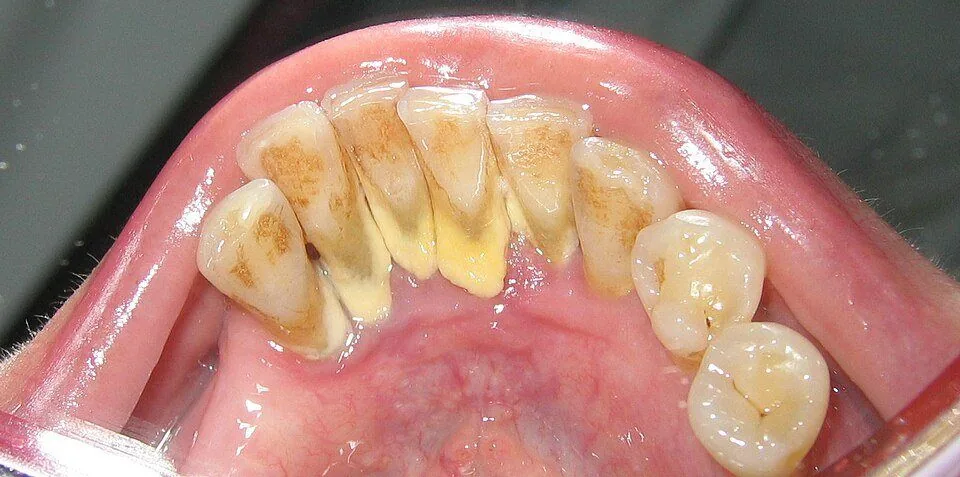
Calculus
How calculus forms
Calculus is bacterial plaque that has mineralized with the calcium and phosphate in saliva.
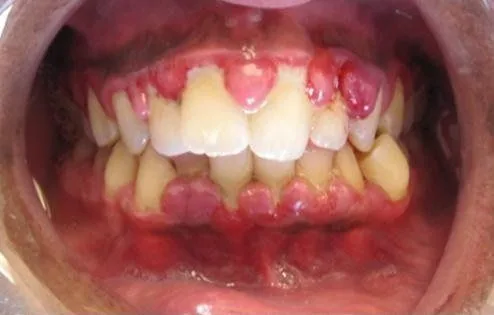
Gingiva
Gingivitis vs. periodontitis
Gingivitis inflames only the gingiva. Periodontitis also destroys the ligament and the bone that support the tooth.
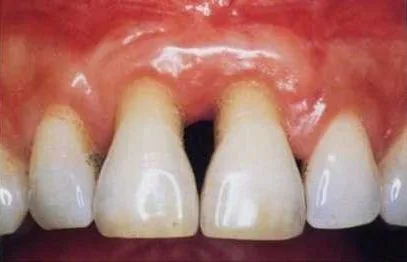
Recession
Gingival recession: Miller and Cairo classifications
Recession is when the gingival margin drops below the cementoenamel junction (the line where the enamel ends) and leaves the root exposed.