How calculus forms
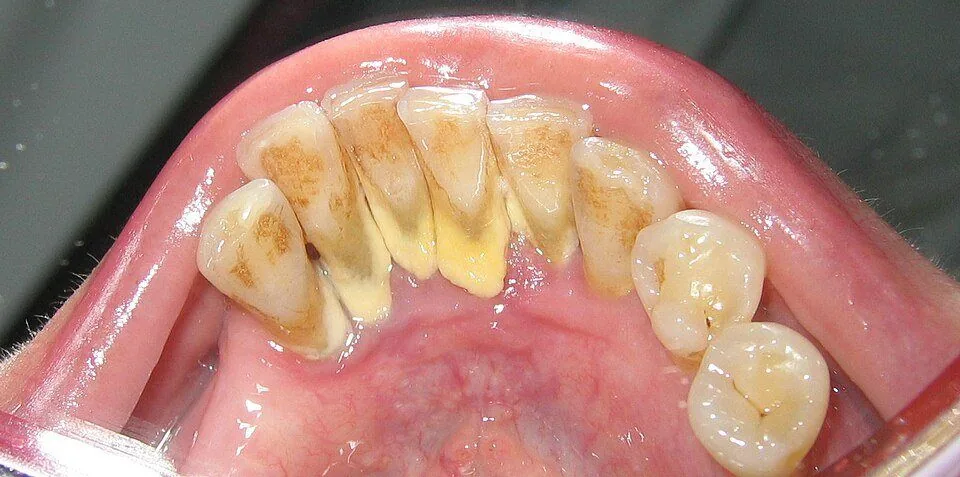
What you need to know
- Soft plaque forms again about 24 hours after cleaning. After about 72 hours, it can start to mineralize and turn into calculus.
- Steps: saliva film on the tooth → the first bacteria stick → the plaque matures → it mineralizes.
- It is made of calcium and phosphate minerals; one of them is hydroxyapatite, which is also the main mineral in enamel.
- It builds up mostly at the gingival margin.
- Its rough surface retains more bacteria and irritates the gingiva: it promotes gingivitis and periodontitis.
- A toothbrush does not remove it: it is removed by scaling (with hand or ultrasonic instruments).
Terms in plain words
Dental calculusThe technical name for tartar.
Acquired pellicleA very thin layer of salivary proteins where the first bacteria stick.
Scaling and root planingProfessional cleaning that removes calculus and plaque, including below the gumline.
For the exam
Why doesn't a toothbrush remove calculus?
Show answerHide answer
Because it is already mineralized (hard); it has to be removed with scaling instruments.
Sources
- Wei Y, et al. Recent advances in the pathogenesis and prevention strategies of dental calculus. npj Biofilms Microbiomes. 2024;10:56. View source
- Hennessy BJ. Caries. MSD Manual, Professional Version (2026 revision). View source
More from Periodontics
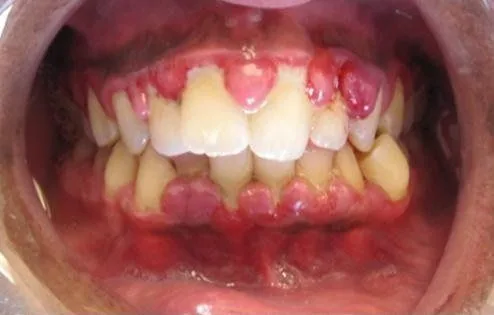
Gingiva
Gingivitis vs. periodontitis
Gingivitis inflames only the gingiva. Periodontitis also destroys the ligament and the bone that support the tooth.
Mobility
Tooth mobility grades
Mobility is measured in grades according to how much the crown moves: from 0 (normal) to 3 (severe).
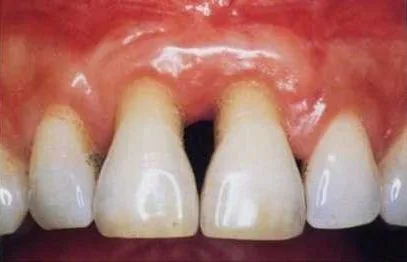
Recession
Gingival recession: Miller and Cairo classifications
Recession is when the gingival margin drops below the cementoenamel junction (the line where the enamel ends) and leaves the root exposed.