Osseointegration
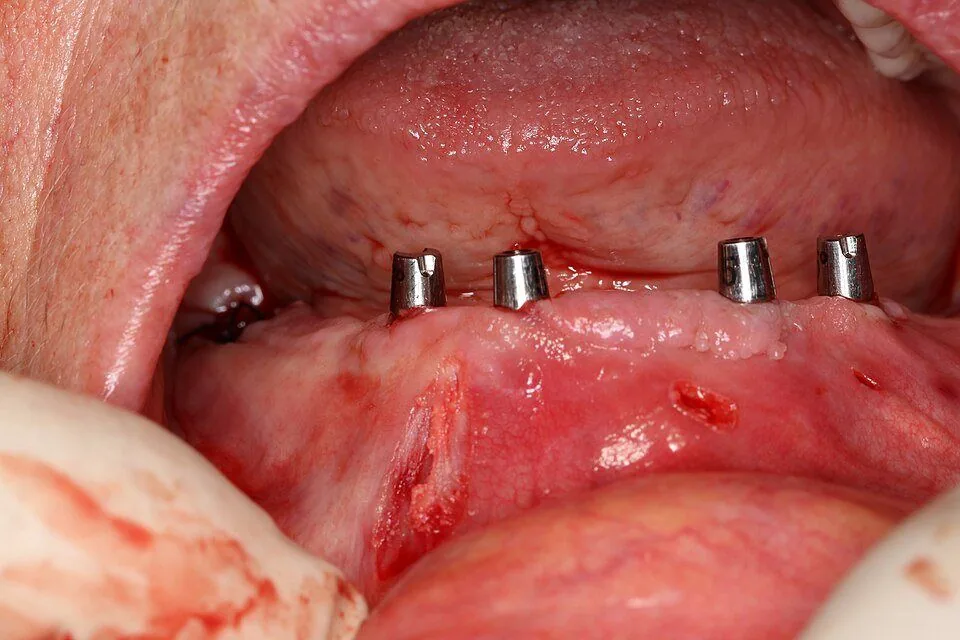
What you need to know
- It was discovered by the Swede Per-Ingvar Brånemark while studying rabbit bone with titanium pieces. He treated the first toothless patient in 1965.
- The titanium implant is placed in the bone and, over time, the bone grows attached to its surface.
- With traditional titanium it took 3 to 6 months. With new surfaces and protocols, that time has been shortened.
- In the clinic, success is measured by the implant's stability during chewing.
- Diseases like diabetes or osteoporosis can affect bone healing around the implant.
Terms in plain words
Dental implantTitanium screw that replaces the root of a lost tooth.
AbutmentPart that connects the implant to the crown.
LoadingThe chewing force the implant receives.
For the exam
Who coined the term osseointegration?
Show answerHide answer
Per-Ingvar Brånemark.
Sources
- Sharma S, et al. Per-Ingvar Brånemark (1929–2014): A Homage to the Father of Osseointegration and Modern Dentistry. Cureus. 2024;16(9):e68655. View source
- Advances in surfaces and osseointegration in implantology. Biomimetic surfaces. View source
More from Oral Surgery & Implants
Extraction
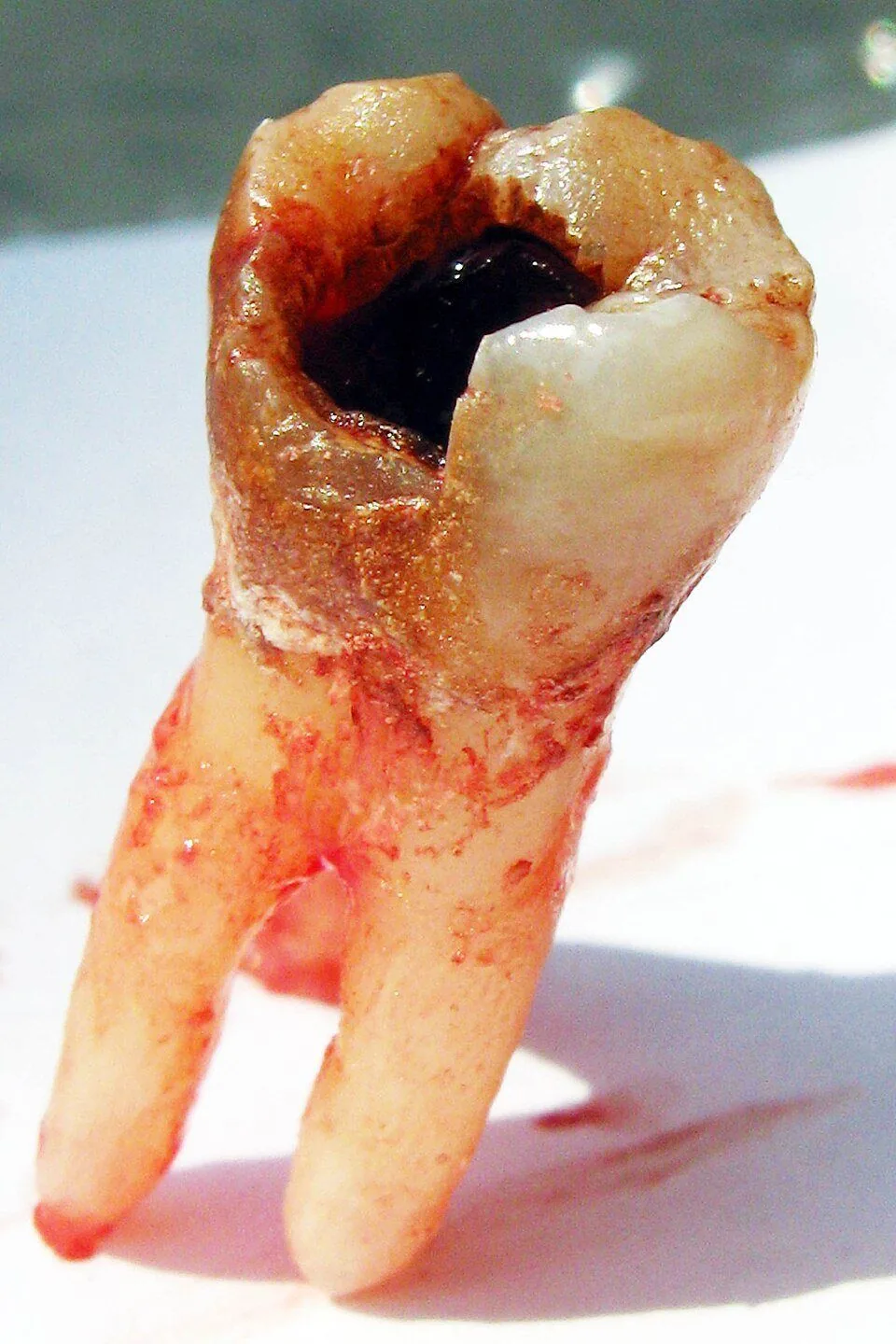
Simple extraction, step by step
In a simple extraction, you break the periodontal ligament and expand the socket with elevators, and then remove the tooth with forceps.
Healing
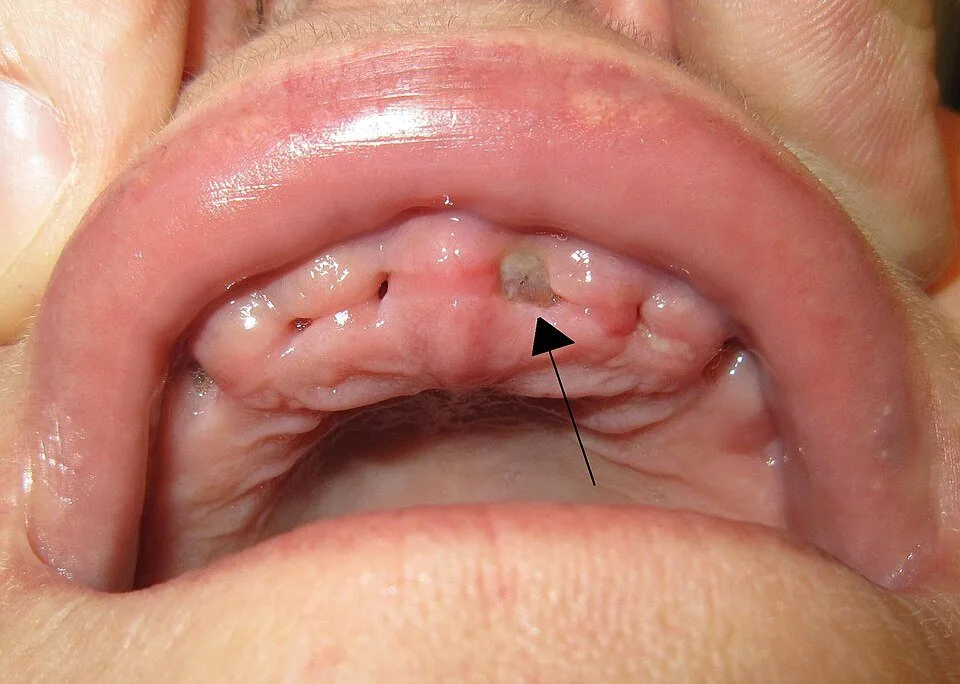
Healing after an extraction
After an extraction, the socket fills with blood clot → granulation tissue → immature bone → mature bone.
Wisdom teeth
Impacted third molars: Winter and Pell & Gregory
A third molar (wisdom tooth) is impacted when it doesn't fully erupt because it runs into another tooth, the bone or the gums.