FDI notation: how teeth are numbered
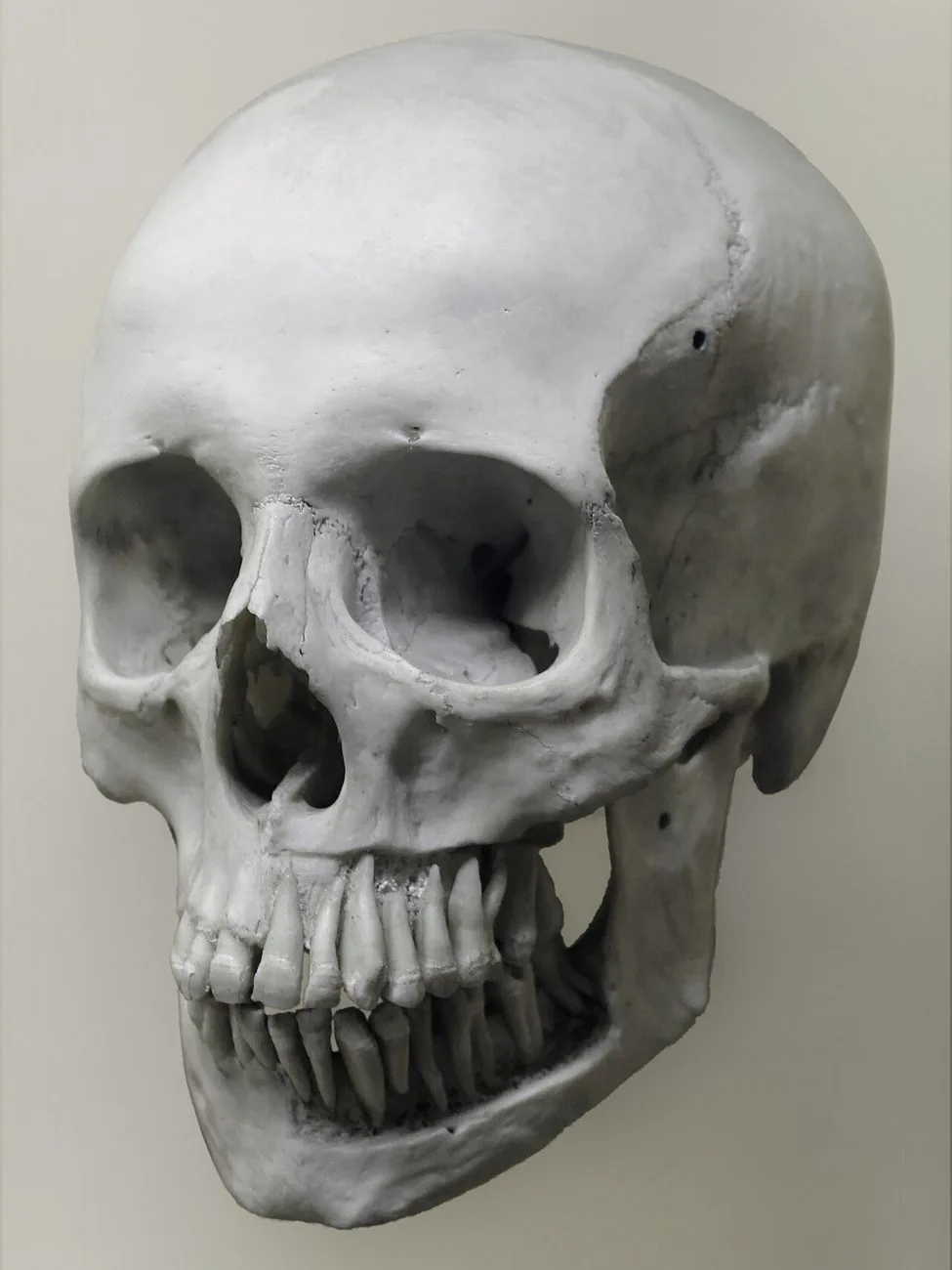
What you need to know
- Permanent quadrants 1 to 4, clockwise, as seen when facing the patient: 1 upper right, 2 upper left, 3 lower left, 4 lower right.
- Positions 1 to 8: 1 central incisor, 2 lateral incisor, 3 canine, 4 first premolar, 5 second premolar, 6 first molar, 7 second molar, 8 third molar.
- Primary (baby) teeth: quadrants 5 to 8, in the same order, and positions 1 to 5. There are no premolars.
- It's read digit by digit: 36 is “three, six”, not “thirty-six”.
Terms in plain words
QuadrantEach quarter of the mouth: upper or lower, and the patient's right or left (not yours).
MidlineThe imaginary line that runs between the two central incisors.
Primary dentitionThe 20 baby teeth.
For the exam
Which tooth is 75?
Show answerHide answer
Lower left second primary molar: quadrant 7 (lower left, primary) and position 5.
Sources
- FDI World Dental Federation: two-digit system, adopted as the ISO 3950 standard.
- Enhancing Precision: Proposed Revision of FDI's 2-Digit Dental Numbering System (describes the current system). View source
More from Dental Anatomy
Eruption
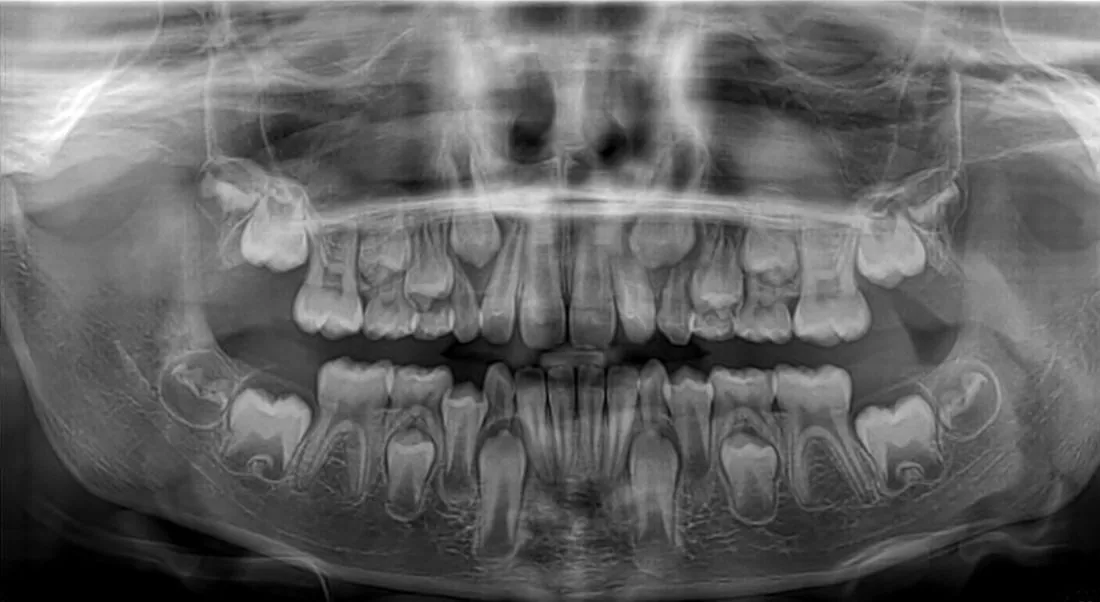
Eruption chronology: when each tooth comes in
The first baby tooth comes in at around 6 months; at age 3 there are 20 primary teeth, and by around age 21 all 32 permanent teeth have come in.
Successors
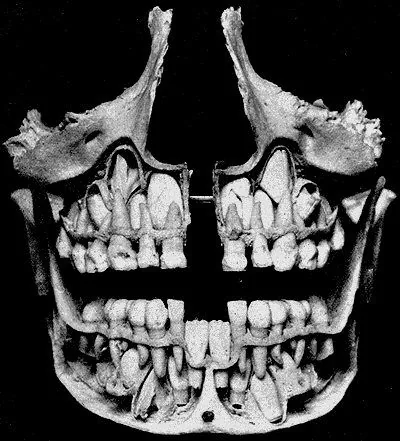
Successional and non-successional teeth
The permanent molars don't replace any baby tooth: that's why they're called non-successional, and there are 12 of them.
Upper or lower?
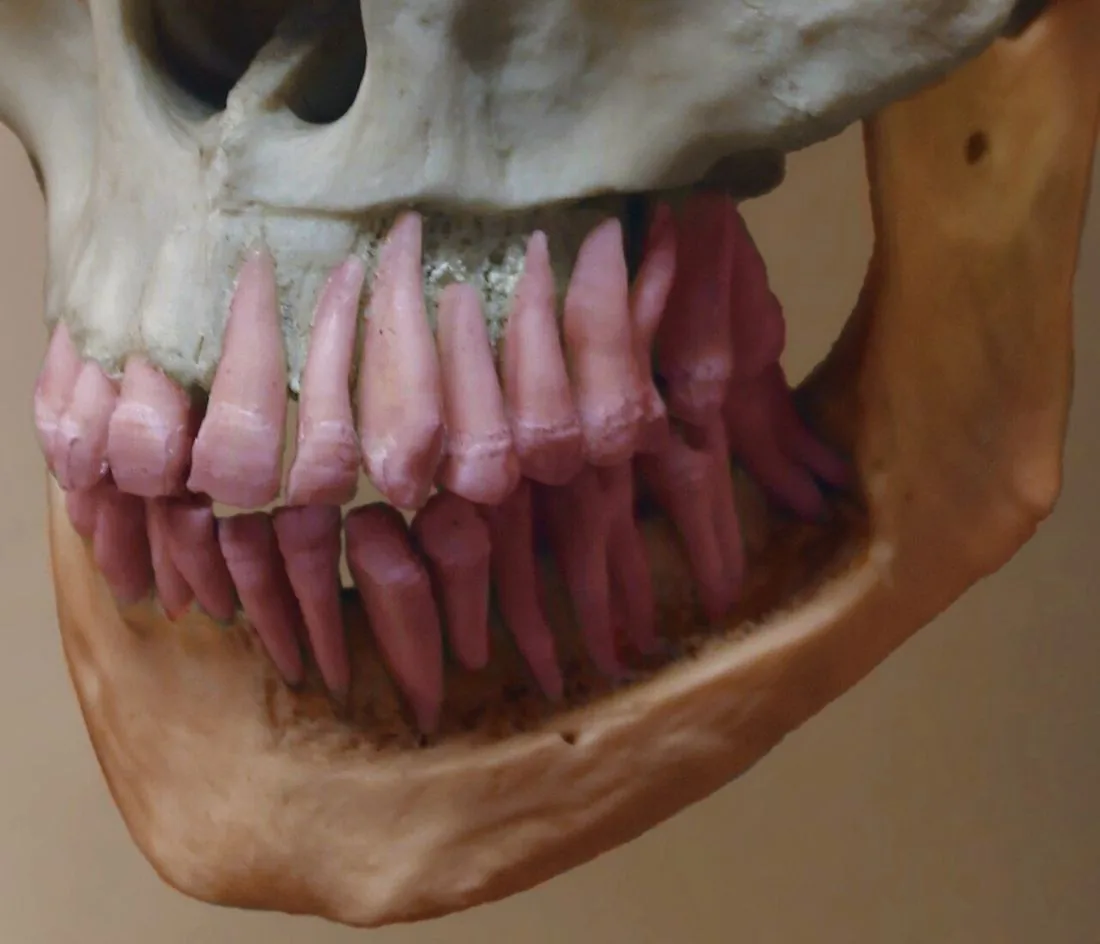
Upper or lower? How to identify a tooth
To tell whether a tooth is upper or lower, look at the roots and the size of the crown: upper molars usually have 3 roots and lower ones, 2.