Successional and non-successional teeth
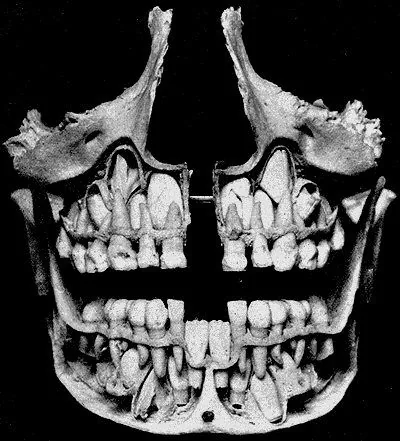
What you need to know
- There are 20 primary teeth: 8 incisors, 4 canines and 8 molars.
- The permanent incisors and canines replace the primary incisors and canines.
- The premolars come in where the primary molars were.
- The permanent molars (1st, 2nd and 3rd) come in at the back, in new space: 3 per quadrant × 4 = 12.
Terms in plain words
Successional toothA permanent tooth that takes the place of a primary one.
Non-successional toothA permanent tooth that had no primary tooth before it: the permanent molars.
For the exam
Is the molar that comes in at age 6 a baby tooth?
Show answerHide answer
No. It's the first permanent molar, the first non-successional tooth to come in. If it's lost, no new one comes in.
Sources
- Nelson SJ. Wheeler's Dental Anatomy, Physiology and Occlusion. 11th ed. Elsevier (textbook).
- Effect of Chronic Apical Periodontitis in Primary Molars on Succedaneous Permanent Teeth (the premolars succeed the primary molars). View source
More from Dental Anatomy
FDI
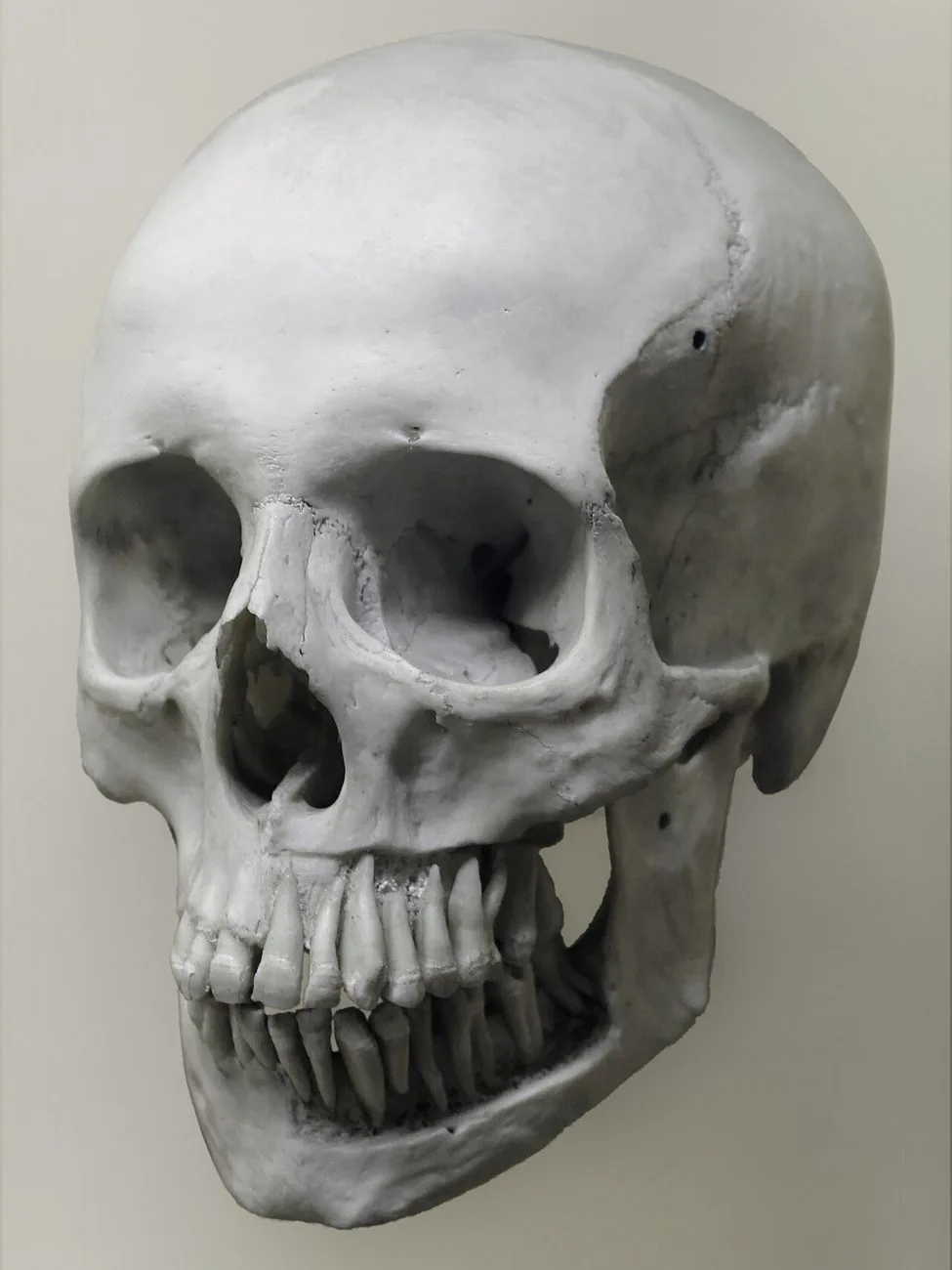
FDI notation: how teeth are numbered
Each tooth is named with 2 digits: the first tells you the quadrant and the second, the position counting from the midline.
Eruption
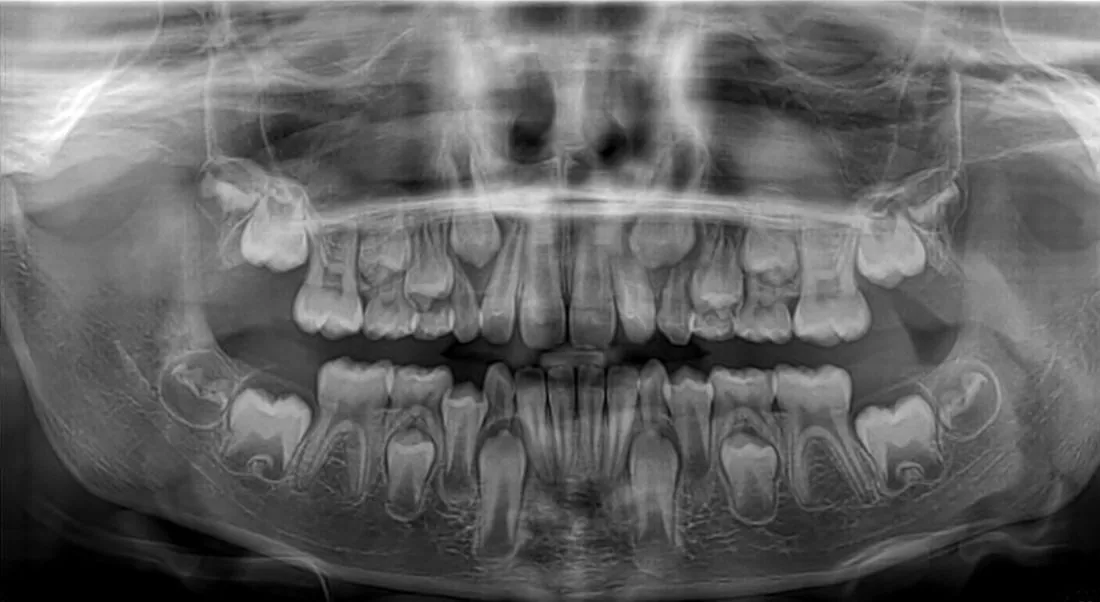
Eruption chronology: when each tooth comes in
The first baby tooth comes in at around 6 months; at age 3 there are 20 primary teeth, and by around age 21 all 32 permanent teeth have come in.
Upper or lower?
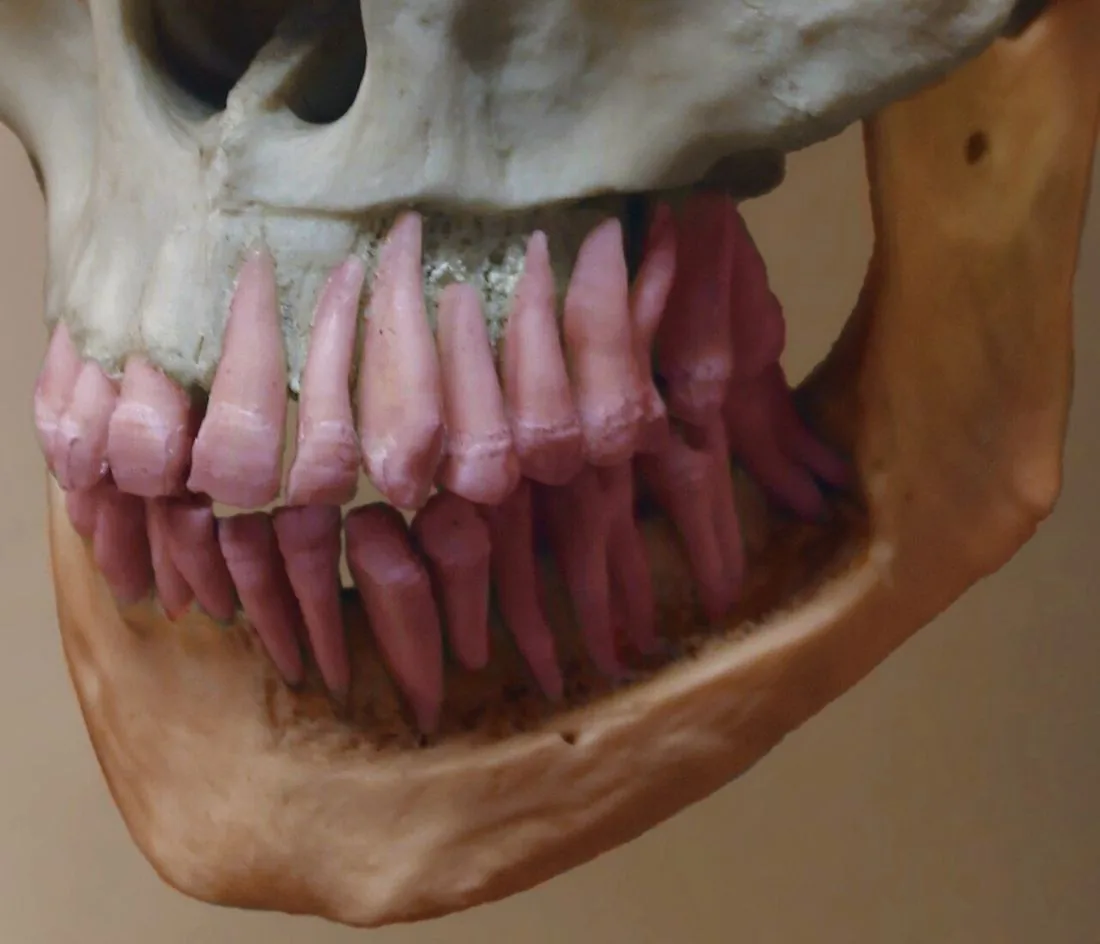
Upper or lower? How to identify a tooth
To tell whether a tooth is upper or lower, look at the roots and the size of the crown: upper molars usually have 3 roots and lower ones, 2.