Upper or lower? How to identify a tooth
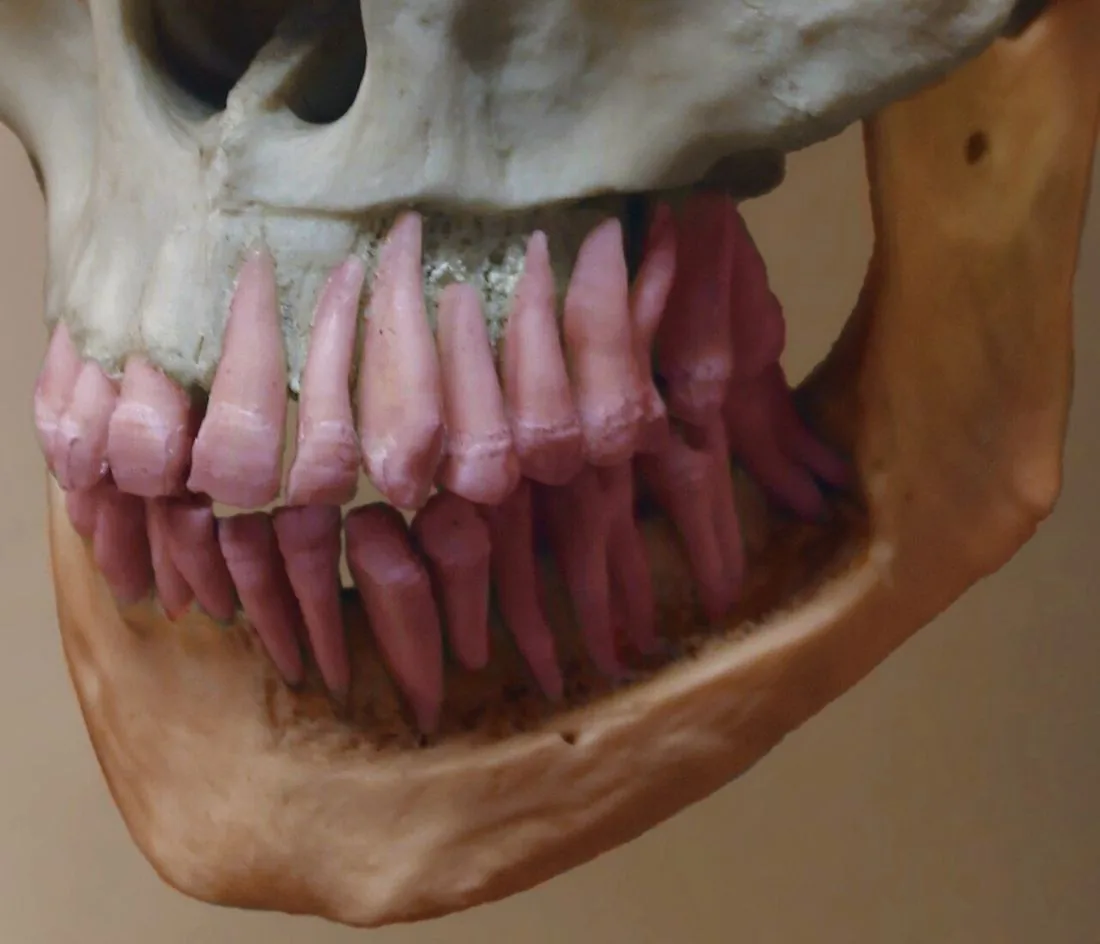
What you need to know
- Upper molars: almost always have 3 roots: mesiobuccal, distobuccal and palatal.
- Lower molars: almost always have 2 roots, one mesial and one distal. In some people a third root appears on the lingual side (radix entomolaris).
- Upper first premolar: the premolar that most often has 2 roots (buccal and palatal). In CT studies, about a third of them do.
- Lower premolars: almost always have just 1 root.
- Incisors: the upper central is the widest incisor in the mouth (≈8.5 mm according to textbooks); the lower incisors are much narrower.
- The palatal root only exists in upper teeth: if you see it, it's an upper tooth.
- There's always variation between people: that's why it's confirmed with a radiograph.
Most common number of roots
| Tooth | Upper | Lower |
|---|---|---|
| Incisors | 1 | 1 |
| Canine | 1 | 1 |
| First premolar | 1 or 2 | 1 |
| Second premolar | 1 | 1 |
| Molars | 3 | 2 |
Terms in plain words
Palatal rootA root that faces the palate. Only upper teeth have it.
Facial (labial or buccal)The surface that faces the lips or the cheeks.
Radix entomolarisAn extra third root, located lingually and distally, in some lower molars.
For the exam
You're given a molar with 3 roots, and one of them points toward the palate. Is it upper or lower?
Show answerHide answer
Upper: the palatal root only exists in upper teeth.
Sources
- Pan JYY, et al. Root canal morphology of permanent teeth in a Malaysian subpopulation using cone-beam computed tomography. BMC Oral Health. 2019;19:14. View source
- Nelson SJ. Wheeler's Dental Anatomy, Physiology and Occlusion. 11th ed. Elsevier (textbook).
- Comparative Measurement of Mesiodistal Width of Six Anterior Maxillary and Mandibular Teeth in Rajasthan Population. View source
More from Dental Anatomy
FDI
FDI notation: how teeth are numbered
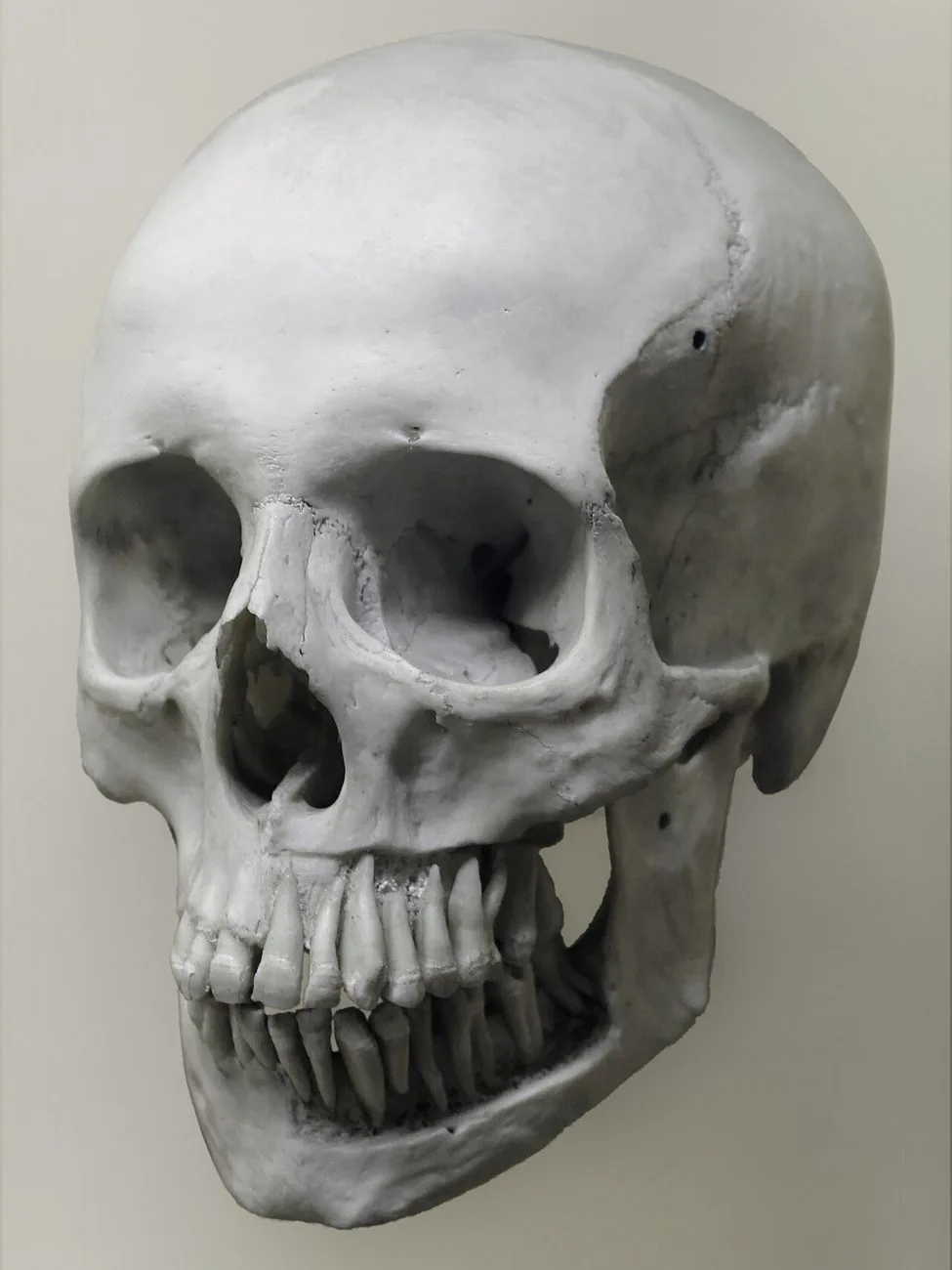
Each tooth is named with 2 digits: the first tells you the quadrant and the second, the position counting from the midline.
Eruption
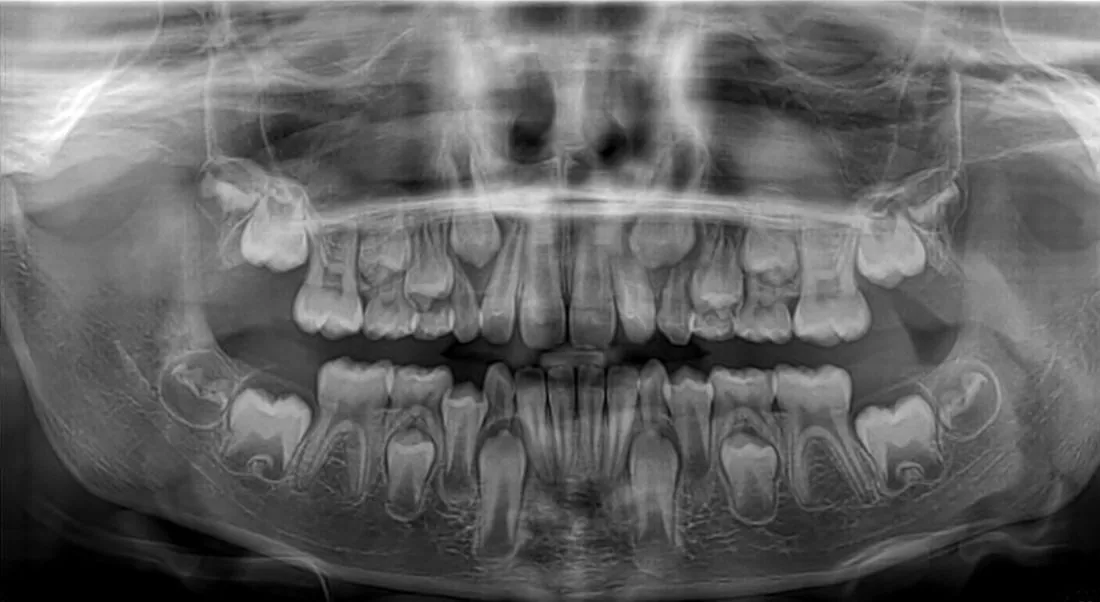
Eruption chronology: when each tooth comes in
The first baby tooth comes in at around 6 months; at age 3 there are 20 primary teeth, and by around age 21 all 32 permanent teeth have come in.
Successors
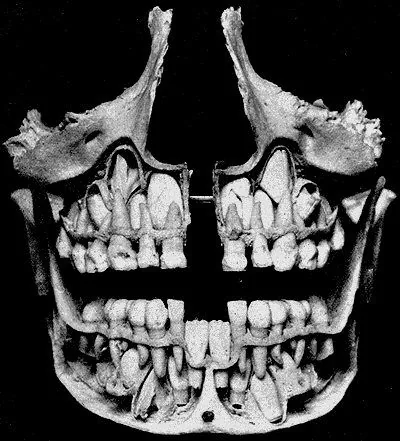
Successional and non-successional teeth
The permanent molars don't replace any baby tooth: that's why they're called non-successional, and there are 12 of them.