Upper first molar and the cusp of Carabelli
What you need to know
- It's the largest tooth in the upper arch and comes in between ages 6 and 7.
- Its 4 cusps: mesiopalatal (the largest), mesiobuccal, distobuccal and distopalatal (the smallest of the four).
- An oblique ridge connects the mesiopalatal cusp to the distobuccal cusp.
- The cusp of Carabelli is on the palatal surface of the mesiopalatal cusp. It can be a distinct cusp, a tubercle or just a groove.
- Its frequency varies a lot by population: studies report anywhere from under 20% to over 80% of people.
- It has 3 roots: mesiobuccal, distobuccal and palatal.
Terms in plain words
CuspEach pointed elevation on the occlusal surface (the one you chew with).
Oblique ridgeAn enamel ridge that crosses the occlusal surface of the upper molar diagonally.
Cusp of CarabelliAn extra cusp or tubercle on the palatal surface of the mesiopalatal cusp.
For the exam
On which cusp is the cusp of Carabelli found?
Show answerHide answer
On the palatal surface of the mesiopalatal cusp of the upper first molar.
Sources
- The cusp of Carabelli: Frequency, distribution and type in the Bengaluru population (study of 400 people). View source
- Variation in Cuspal Morphology in Maxillary First Permanent Molar (size of each cusp). View source
- Nelson SJ. Wheeler's Dental Anatomy, Physiology and Occlusion. 11th ed. Elsevier (textbook).
More from Dental Anatomy
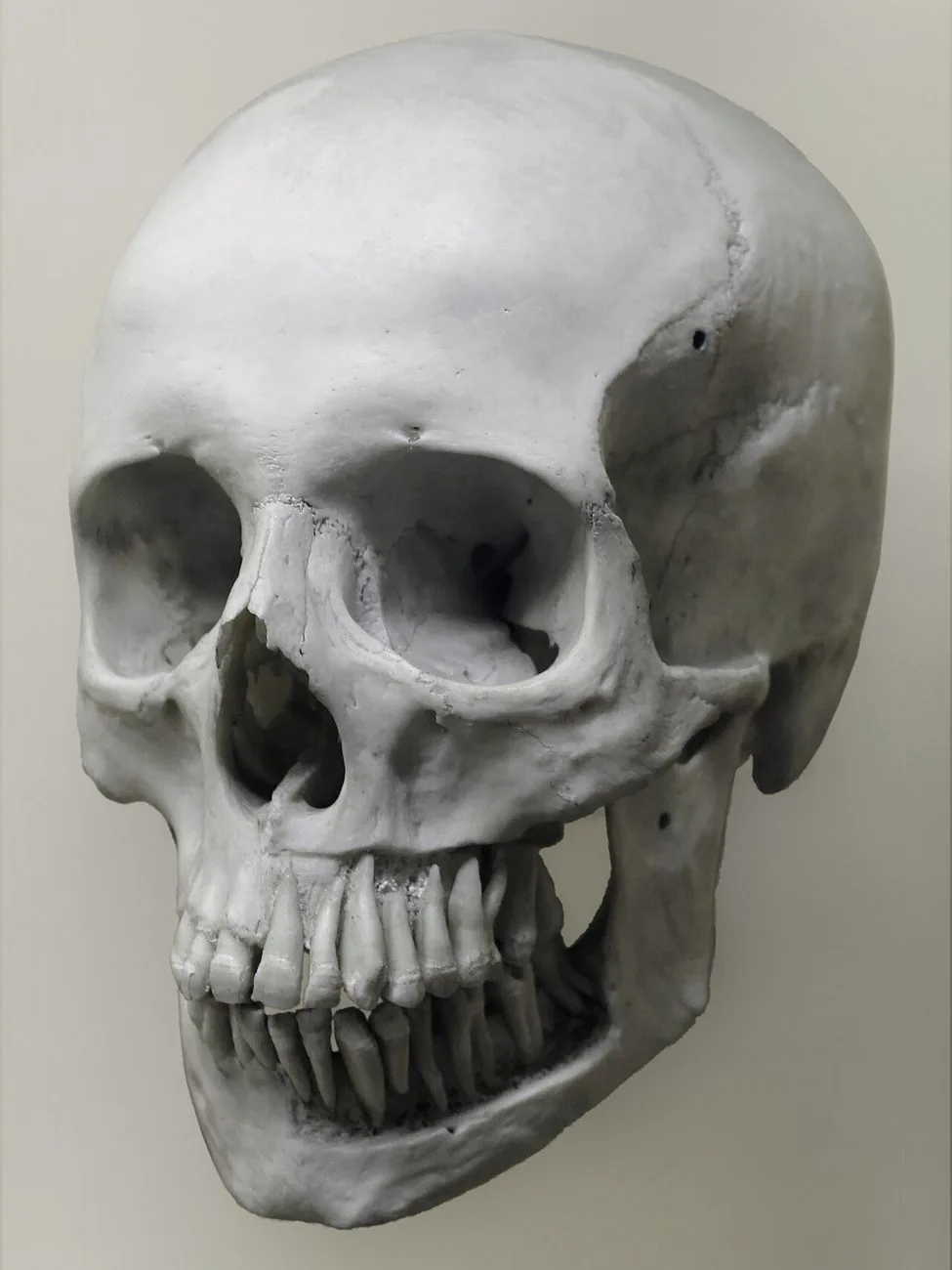
FDI
FDI notation: how teeth are numbered
Each tooth is named with 2 digits: the first tells you the quadrant and the second, the position counting from the midline.
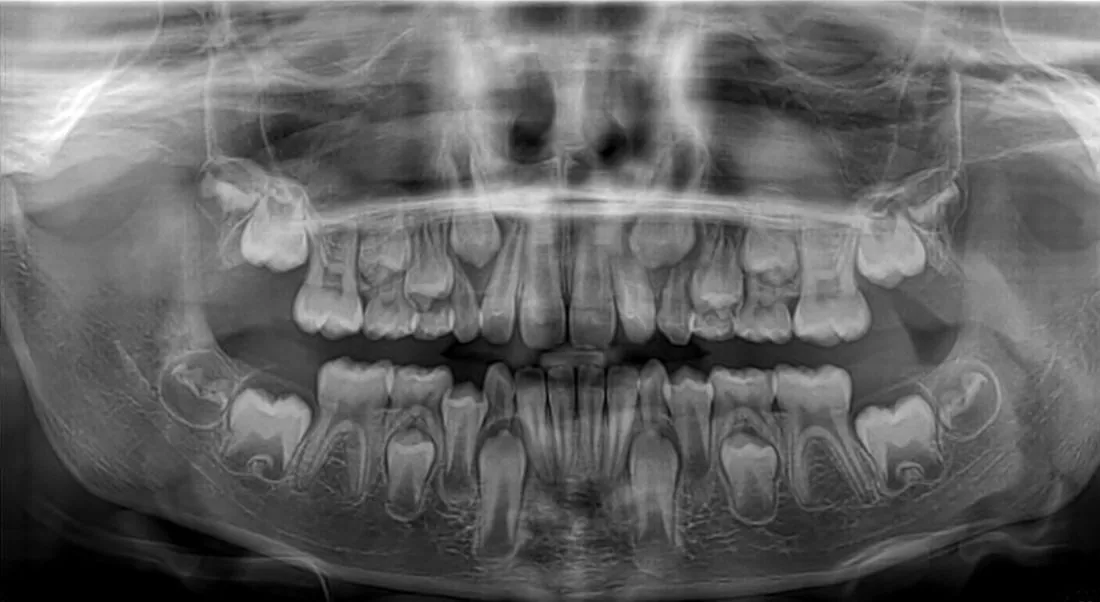
Eruption
Eruption chronology: when each tooth comes in
The first baby tooth comes in at around 6 months; at age 3 there are 20 primary teeth, and by around age 21 all 32 permanent teeth have come in.
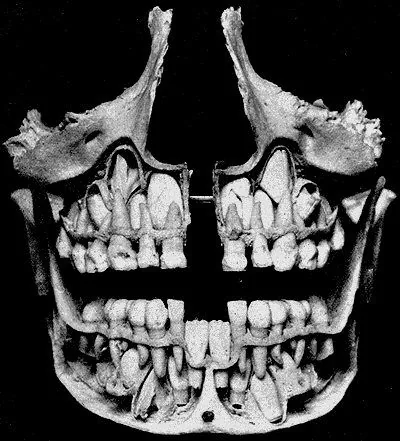
Successors
Successional and non-successional teeth
The permanent molars don't replace any baby tooth: that's why they're called non-successional, and there are 12 of them.