Root canal treatment, step by step
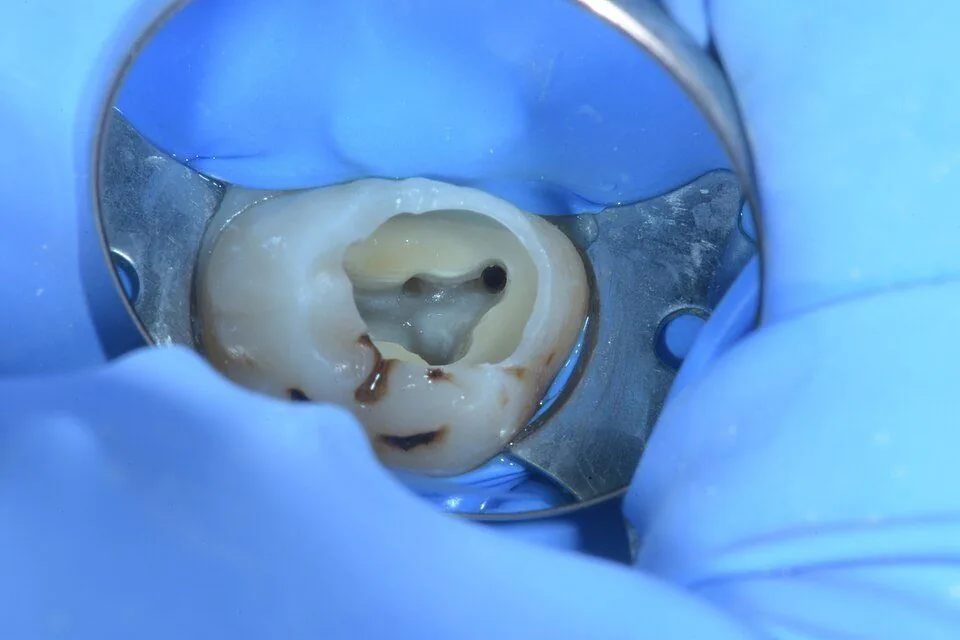
Step by step
- Diagnosis with tests and a radiograph.
- Anesthesia and isolation with a rubber dam.
- Opening (access): the crown is opened until the pulp chamber is reached.
- The pulp is removed, and the canals are cleaned and shaped with files while rinsing with irrigants.
- The canals are filled with gutta-percha and a sealer cement.
- The tooth is restored with a filling or a crown (sometimes with a post).
What you need to know
- It is indicated when the pulp is inflamed or infected: deep caries, repeated dental work on the tooth, faulty crowns, cracks or trauma.
- With anesthesia, it hurts no more than a filling. There may be mild discomfort for a few days.
- It is usually done in 1 or 2 appointments, and with good care the tooth can last a lifetime.
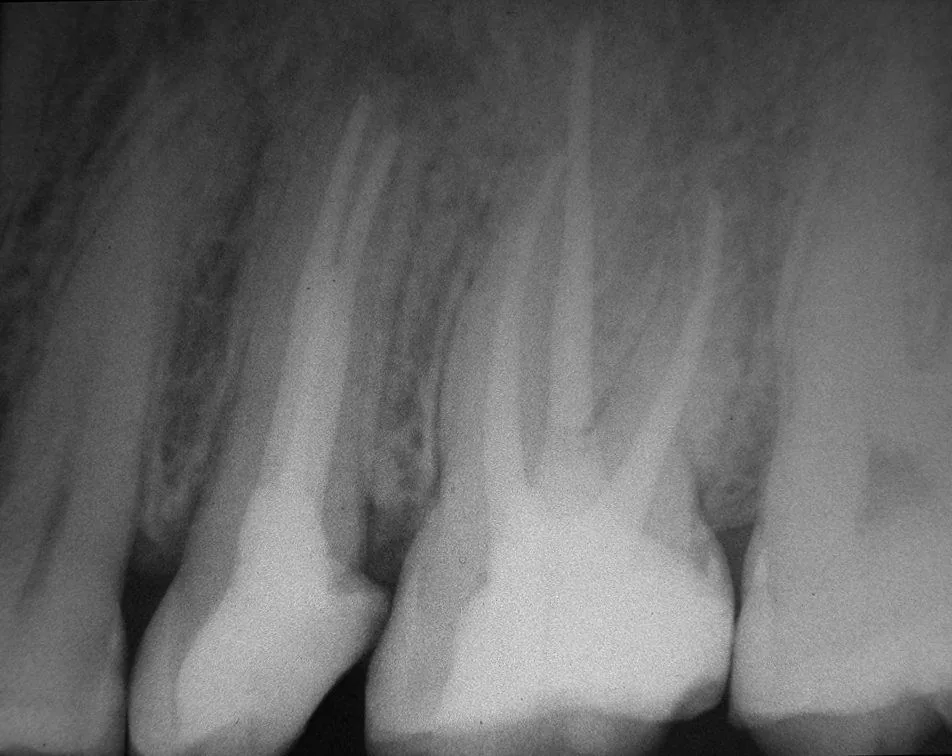
Terms in plain words
Gutta-perchaA rubber-like material that fills the canals.
Endodontic fileA thin instrument for cleaning and shaping the canal.
Rubber damA rubber sheet that isolates the tooth from saliva.
Pulp chamberThe pulp space inside the crown.
For the exam
What material are the canals filled with?
Show answerHide answer
With gutta-percha and a sealer cement.
Sources
- American Association of Endodontists (AAE). What is a Root Canal? View source
- Hennessy BJ. Caries. MSD Manual, Professional Version (2026 revision). View source
More from Endodontics
Diagnosis
Pulp diagnosis: tests and terminology (AAE)
To find out the condition of the pulp, you compare the tooth with its neighbors using cold, percussion, palpation and radiographs.
Pulpitis
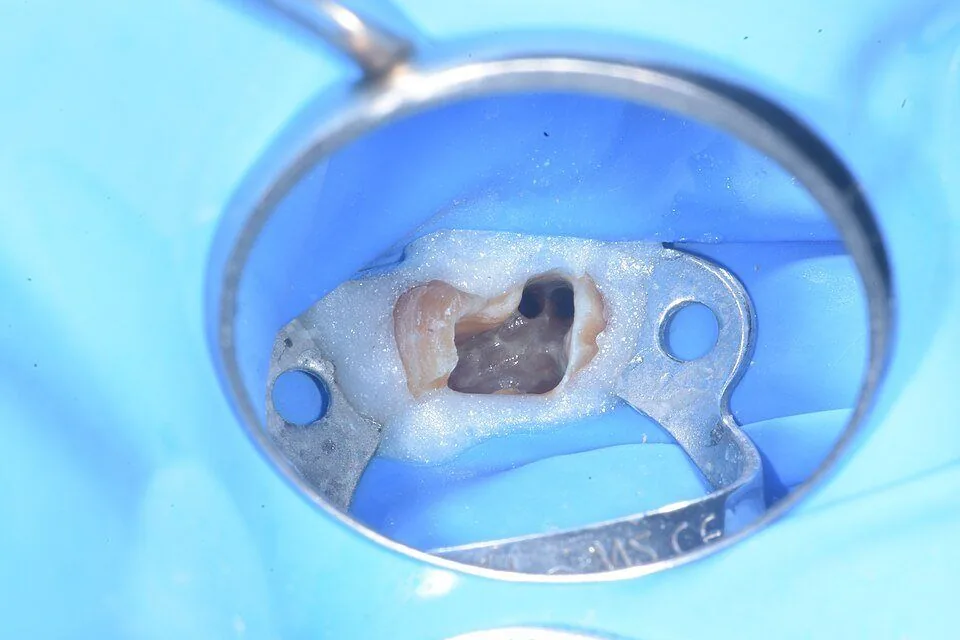
Reversible vs. irreversible pulpitis
In reversible pulpitis, the pain goes away when the stimulus is removed. In irreversible pulpitis, the pain is spontaneous or lingers after the stimulus.
Abscess
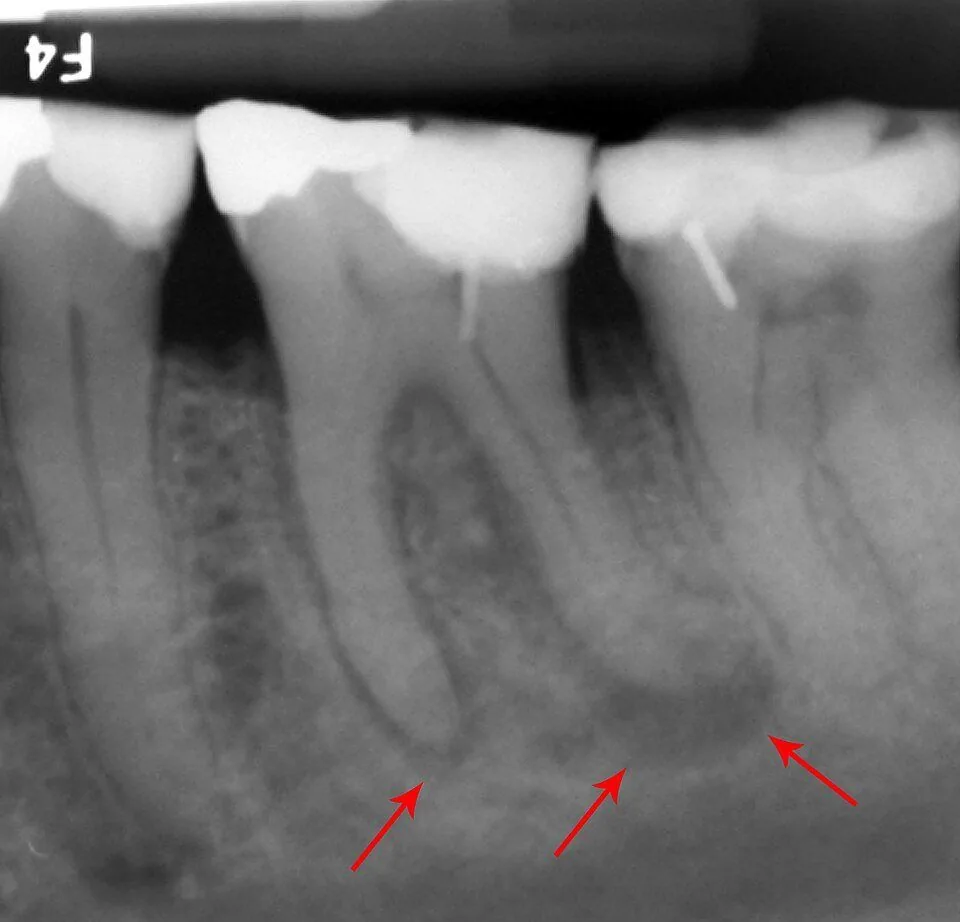
How an abscess forms
A periapical abscess develops when the pulp dies and the infection exits through the tip of the root into the bone.