The Bass brushing technique
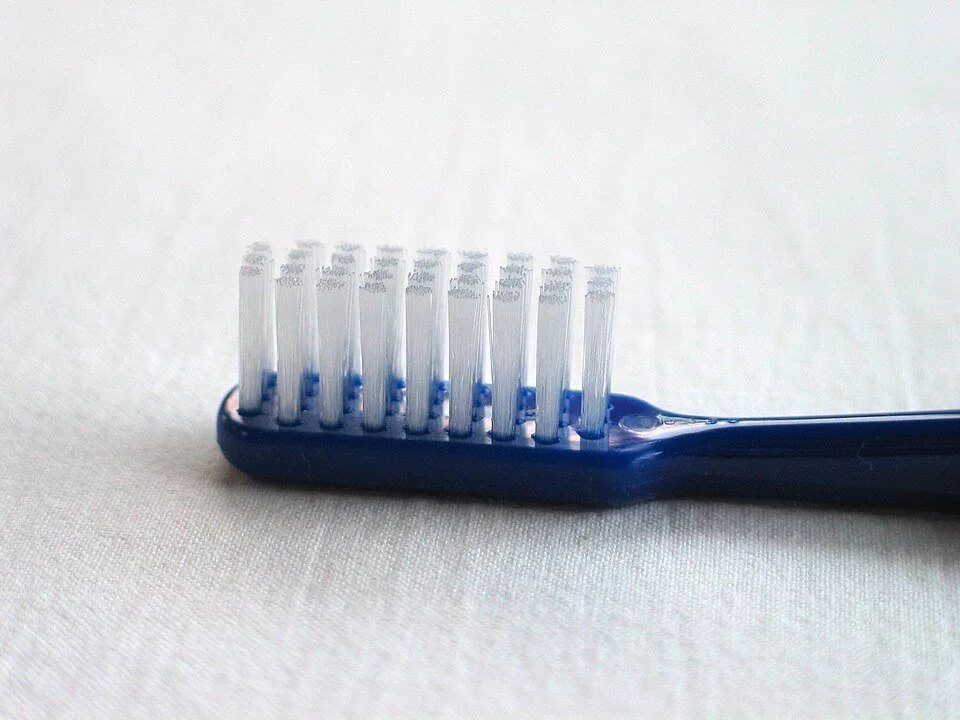
Step by step
- Use a soft-bristled toothbrush.
- Place the bristles at 45° toward the gums, pointing at the sulcus between the tooth and the gum.
- Make short, gentle movements, about one tooth wide, without moving the bristles out of the sulcus.
- On the inner surface of the front teeth, hold the brush vertically and make several up-and-down movements.
- In the modified Bass technique, after the vibratory movements, the brush is rolled toward the biting edge (a sweeping motion).
What you need to know
- Brush twice a day: about 2 minutes with an electric toothbrush or 3 to 4 minutes with a manual toothbrush.
- Replace your toothbrush every 3 or 4 months, or sooner if the bristles are frayed.
- Brushing too hard or with a very abrasive toothpaste can wear down the enamel and contribute to recession.
Terms in plain words
Gingival sulcusThe small space between the tooth and the gingival margin.
Modified BassThe Bass technique plus a final sweep toward the biting edge.
For the exam
At what angle is the brush placed in the Bass technique?
Show answerHide answer
At 45° toward the gums, with the bristles pointing at the gingival sulcus.
Sources
- American Dental Association (MouthHealthy). Brushing Your Teeth. View source
- Hennessy BJ. Caries. MSD Manual, Professional Version (2026 revision). View source
- Rajwani AR, et al. Effectiveness of Manual Toothbrushing Techniques on Plaque and Gingivitis: A Systematic Review. Oral Health Prev Dent. 2020.
- Newman MG, et al. Carranza's Clinical Periodontology. Elsevier (textbook).
More from Periodontics
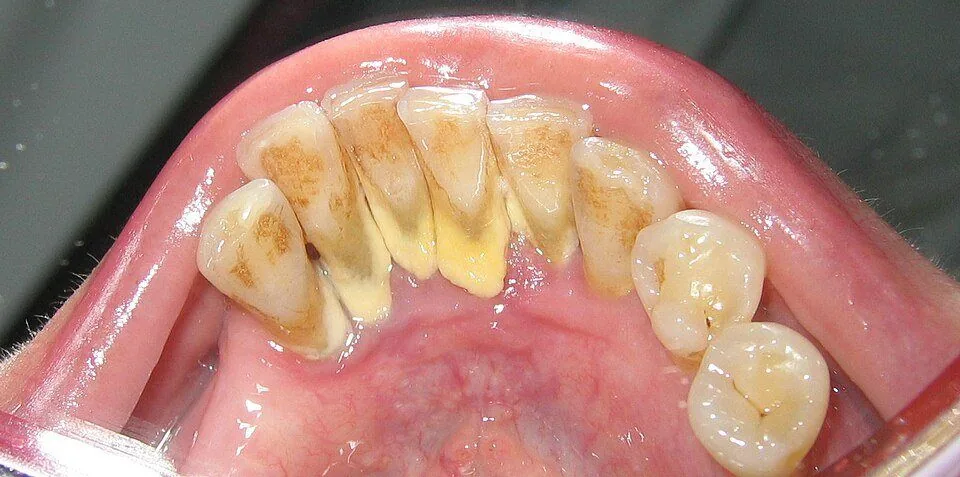
Calculus
How calculus forms
Calculus is bacterial plaque that has mineralized with the calcium and phosphate in saliva.
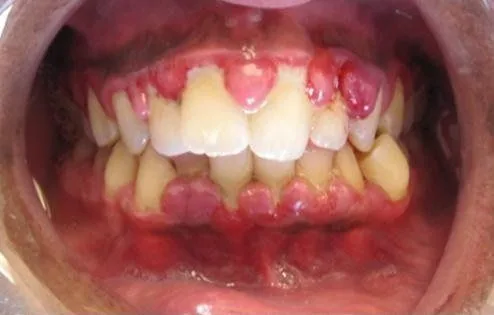
Gingiva
Gingivitis vs. periodontitis
Gingivitis inflames only the gingiva. Periodontitis also destroys the ligament and the bone that support the tooth.
Mobility
Tooth mobility grades
Mobility is measured in grades according to how much the crown moves: from 0 (normal) to 3 (severe).